



Storm one day, blazing sun the next, that is Austin roofs in a nutshell. Your shingles and flashing take the hit first, and small problems can sneak into living rooms and attics before anyone spots them. At Ever True Roofing, we focus on protecting your home and the people inside it, with work that holds up to Central Texas weather.
This guide gives you a simple, season-by-season checklist built for Austin conditions. Use it to prevent surprise leaks, stretch the life of your roof, and feel good about the next storm rolling in.
Austin’s Climate: Factors Impacting Roofs
Heat waves, quick-moving thunderstorms, and hail push roofing materials to their limits in Austin. UV light dries out shingles. Wind, debris, and sudden downpours find weak points fast.
High Temperatures and Sun Exposure
Long, hot summers dry out asphalt binders, which leads to cracked, curled, or faded shingles. Sealants around vents and pipe boots can shrink and split. You might also see brittle edges and missing granules near south and west slopes.
Sun damage shows up slowly at first. Then one storm turns small wear into a roof leak, so quick fixes in warm months pay off.
Heavy Rainfall and Wind
Strong rain can wash off shingle granules, thinning the protective layer that guards against UV. Wind gusts lift tabs, loosen nails, and open seams around flashing. Water follows those gaps into decking and drywall.
After a blustery day, check the ground for granule piles near downspouts. A handful here and there is normal, big patches hint at aging or storm wear.
Hailstorms and Roof Damage
Hail can bruise shingles, dent metal panels, and crack tiles. The bruises look like dark spots with missing granules, and those spots age faster than the rest of the roof. Left alone, they turn into leaks around fasteners and valleys.
After any hail event, document what you see from the ground with photos. Then schedule a safe inspection if anything looks off.
Seasonal Roof Maintenance Checklist for Austin Homeowners
Small, steady upkeep beats big repairs every time. A few minutes each season helps catch loose shingles, clogged gutters, and worn sealants long before water finds a path inside.
Spring Roof Maintenance
Winter swings can stress caulks and flashings, so start with a look from the ground, binoculars work fine. If you spot curling shingles or exposed fasteners, line up repairs before spring storms ramp up.
- Inspect shingles, flashing, and ridge caps for cracks, gaps, or nail pops.
- Clear debris from gutters and downspouts to prevent overflow at eaves.
- Trim back tree branches that rub against the roof or hang over gutters.
- Check seals around vents, skylights, and chimneys for splits.
- Look for stains on ceilings, then trace those spots back to possible roof leaks.
A quick spring cleanup sets you up for the windy, wet weather that often arrives in April and May.
Summer heat rolls in fast in Austin, and attic temperatures climb. That heat can shorten the life of shingles and cook sealants, so a mid-summer check helps hold the line.
Summer Roof Maintenance
Walk the exterior from the ground once per month. If you see sun-baked edges or blistering, mark those areas for a closer look.
- Examine south and west slopes for cracked, curled, or blistered shingles.
- Make sure attic ventilation is open and balanced, soffit intakes clear, and exhaust vents unobstructed.
- Seal visible gaps around roof penetrations, using the right sealant for the material.
- Check for loose flashing at walls, valleys, and chimneys after any big wind event.
- Sweep off branches and leaf piles that trap heat and moisture.
Good airflow in the attic drops surface temps on shingles, which helps them last longer and can lighten your AC load a bit.
Leaves and acorns start piling up as the weather turns. Clearing that debris now keeps water moving where it should, not under the shingles.
Fall Roof Maintenance
Cooler days make outdoor work easier, so it is a great time for a careful look. Fixing small issues now means fewer winter headaches.
- Clean gutters and downspouts, then flush with a hose to confirm flow.
- Trim branches touching or hovering near the roofline to stop rubbing and punctures.
- Check for loose or lifted shingles and repair fast.
- Inspect pipe boots for cracking around the collars.
- Test attic vents for blockages from insulation or dust.
Once leaves stop falling, a second quick clean keeps water from backing up at the eaves.
Winters in Austin swing between mild and sudden cold snaps. Even without heavy snow, ice at eaves and overnight freezes can open up weak seams.
Winter Roof Maintenance
Spot leaks early with short, regular checks after rain. Head to the attic with a flashlight when storms pass.
- Prevent ice dams by keeping gutters clear and attic temperatures steady with balanced ventilation.
- Check inside for water stains, musty odors, or damp insulation.
- Look for shiny nail tips or frost on the underside of decking that hint at poor airflow.
- Seal minor flashing gaps on warmer days so adhesives cure properly.
- Keep roof traffic to a minimum to avoid breaking brittle shingles in cold weather.
If you notice active dripping or a growing stain, call for help right away. Waiting turns small fixes into ceiling and drywall repairs.
Choosing the Right Roofing Materials for Austin Homes
Material choice affects how your roof handles heat, hail, and fast storms. The right setup also shapes energy bills and long-term upkeep. Here is a simple snapshot to help you weigh the options.
Material Comparison for Austin Roofs
| Austin Roofing Materials at a Glance | |||||
| Material | Heat Resistance | Hail Resistance | Energy Efficiency | Notes | Typical Lifespan |
| Asphalt Shingles | Good with proper ventilation | Fair to Good, depends on shingle class | Moderate | Budget friendly, wide color range, quick repairs | 15 to 30 years |
| Metal Roofs | Excellent | Very Good, resists dents with thicker panels | High | Reflects heat, sheds water fast, low upkeep | 40 to 70 years |
| Tile Roofs | Excellent | Good, individual tiles can crack | High | Handles heat well, heavier structure needed | 50+ years |
No roof is one size fits all. We help you match materials to your home’s structure, shade patterns, and budget so the system works year after year.
Asphalt Shingles
Asphalt shingles are affordable, widely available, and easy to repair after a storm. Many lines carry impact ratings that help with hail. Paired with good ventilation, they handle Austin summers well.
Upgraded underlayments and ridge vents can stretch service life. If you value quick replacement and color choices, this is a solid pick.
Metal Roofs
Metal reflects sunlight, which helps keep attics cooler. Panels lock tight, so wind and heavy rain shed cleanly. Thicker gauges resist dents better during hail.
Standing seam systems offer clean lines and long service life. They cost more upfront, but long-term value often balances the ledger.
Tile Roofs
Concrete and clay tiles shrug off heat and are slow to fade. Individual tiles can crack from impact, yet repairs are usually localized. The roof frame must support the added weight, so a structure check is wise.
With proper underlayment and flashings, tile roofs carry low upkeep and a long life. They fit Austin’s sun and rain very well.
Signs Your Austin Roof Needs Repair or Replacement
Catching problems early saves money and stress. If you spot the signs below, schedule a roof check before the next storm rolls in.
Leaks and Water Damage
Fresh water stains on ceilings, bubbling paint, or damp attic insulation call for quick attention. Small leaks often start around flashing, vents, and valleys. Left alone, they spread into framing and drywall.
Take photos, then shut off any active drip with a bucket or tarp until help arrives. Fast action keeps repair costs lower.
Damaged or Missing Shingles
Cracked, missing, or curled shingles mean the roof surface is exposed. Discoloration and bare spots show lost granules, which speeds up UV wear. Warped tabs can let wind lift edges and drive rain under the next course.
After windy days, check the yard for shingle pieces. Even one missing tab can lead to a leak path.
Age and Deterioration
Roofs age out even without a big storm. Widespread granule loss, brittle edges, and recurring nail pops suggest the system is near the end. If repairs are piling up, a planned replacement often costs less than chasing leak after leak.
We can assess remaining life and give you clear options. No fluff, just what your roof needs and what it will take.
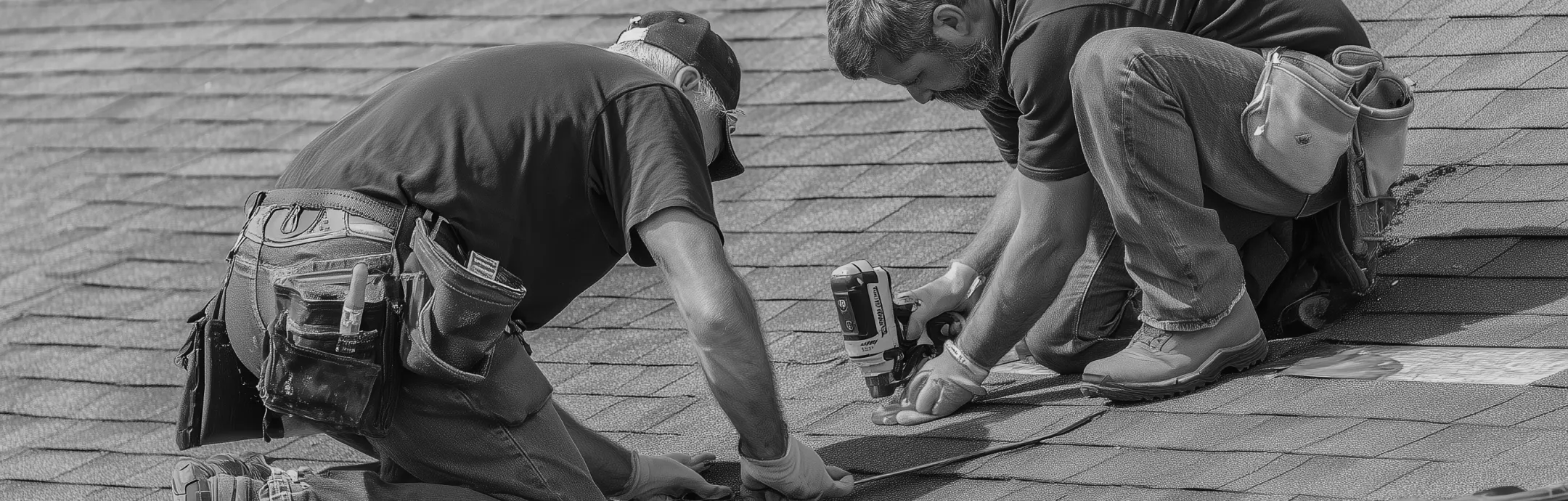

Is Your Roof Ready? Contact Ever True Roofing Today!
If you want a straight, low-stress roof check, we are happy to help. Call (512) 359-3124 or visit our website to book a free, no-pressure estimate. Our team focuses on protecting homes, explaining each step, and doing the work the right way.
We take Austin weather seriously and treat your place like our own. If something is urgent, say the word and we will try to move fast. We welcome your questions and look forward to restoring a little peace of mind at your address.