


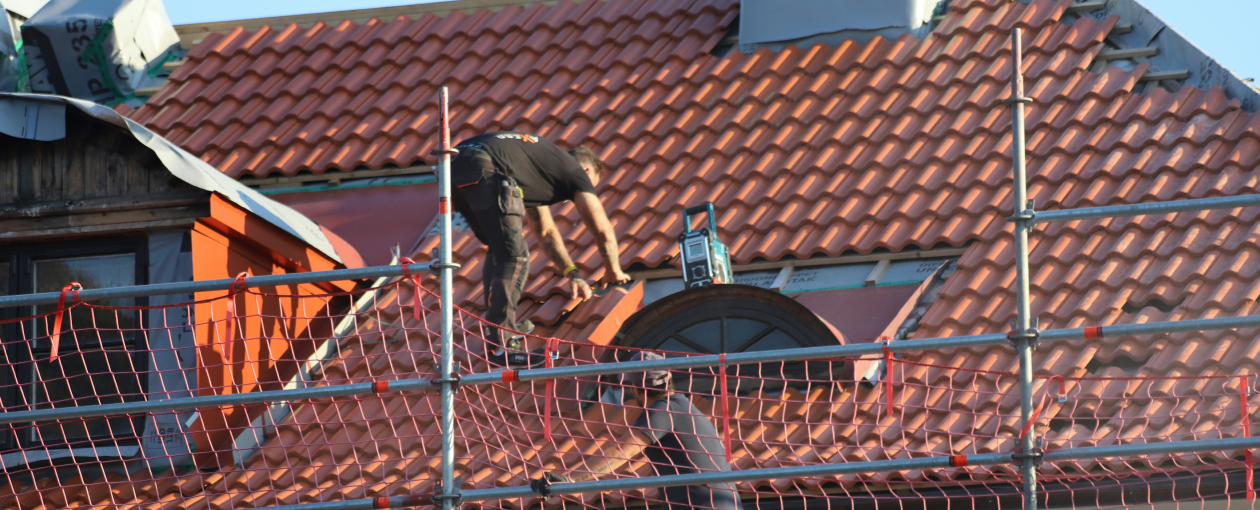
Your roof stands guard every hour, shielding your home from punishing sun, sideways rain, and flying debris. In Austin, that job is tougher than in most places, which means lifespans can feel shorter than what product brochures promise. At Ever True Roofing, we put care first, then pair it with thorough planning and solid workmanship on every project. This guide gives Austin homeowners real-world lifespan ranges by material, shaped by what our climate actually throws at a roof.
Our goal is simple, help you choose a roof that fits your home and your budget, and know what to expect from it in this area.
Factors Affecting Roof Lifespan in Austin
Austin weather can cut years off a roof compared with national averages. Heat builds fast, storms roll in hard, and the sun is relentless most of the year.
The biggest stressors we see across the metro include the following:
- Intense heat and UV exposure that dry out, embrittle, and fade materials.
- Hail storms that bruise shingles, crack tiles, and dimple metal panels.
- High winds that lift edges, break seals, and drive water under laps and flashings.
Over time, these forces speed up aging. Sealants weaken, granules wash off, coatings chalk, and fasteners loosen, which opens the door for leaks and early replacement.
Expected Roof Lifespan by Material in Austin
Lifespan ranges depend on the product, quality of installation, and the maintenance you give it. In Austin, realistic expectations run lower than brochure numbers, yet smart choices still deliver decades of service.
| Material | Typical Range in Austin | Notes on Performance | Hail Resistance | Maintenance Level |
| Asphalt, 3-tab | 12 to 20 years | Budget friendly, thinner profile | Fair | Low to moderate |
| Asphalt, architectural | 15 to 25 years | Thicker, better wind hold | Good | Low to moderate |
| Asphalt, impact rated | 18 to 22 years | Built for hail zones | Very good | Low to moderate |
| Metal, corrugated | 35 to 45 years | Durable, cost effective panels | Good | Low |
| Metal, standing seam steel | 40 to 70 years | Premium seams, strong wind hold | Very good | Low |
| Metal, aluminum | 45 to 50 years | Corrosion resistant | Good | Low |
| Tile, concrete | 40 to 60 years | Heavy, stable in heat | Fair | Moderate |
| Tile, clay | 50 to 100 years | Longevity champion in heat | Fair | Moderate |
| Slate, natural | 100 to 150+ years | Stone durability, very heavy | Very good | Low to moderate |
| Slate, synthetic | 75 to 100 years | Lighter weight alternative | Good | Low to moderate |
| Flat roofs, TPO, EPDM, mod-bit | 10 to 30 years | Common on commercial and modern homes | Fair | Moderate |
Now, let’s break down how those ranges typically play out on Central Texas homes and buildings.
Asphalt Shingles: 12-25 Years
Asphalt shingles remain the most common choice across Austin for cost and availability, yet they face a shorter service life under high heat. Three-tab shingles usually deliver 12 to 20 years as UV breaks down the mat and accelerates granule loss. Architectural shingles hold up better in wind and heat, which often translates to 15 to 25 years.
Impact rated shingles are the smart play in hail-prone neighborhoods. These can reach 18 to 22 years while reducing storm damage and insurance headaches.
Metal Roofing: 35-70 Years
Metal reflects heat and resists warping, which gives it a real advantage in our climate. Standing seam steel systems, with hidden fasteners and raised seams, often reach 40 to 70 years with routine checks. Corrugated panels offer a more affordable path to metal and still provide 35 to 45 years of steady service.
Aluminum brings strong corrosion resistance near lakes and creeks. Expect 45 to 50 years with a quality finish and proper flashing details.
Tile Roofs (Clay & Concrete): 40-100 Years
Tile loves heat and shrugs off sun better than most products. Clay routinely reaches 50 to 100 years, while concrete runs 40 to 60 years at a friendlier price point. Barrel tile profiles help shed water and can last 60 to 75 years if impact damage stays low.
Hail remains the weak point for tile systems. Individual cracked tiles need swapping to keep water away from the underlayment.
Slate Roofing: 75-150+ Years
Slate stands in a class of its own for durability, often outlasting the structure below. Natural slate frequently runs 100 to 150 years with periodic flashings and fasteners checked. Synthetic slate trims weight and cost, and still offers 75 to 100 years in many settings.
Structural support and experienced installation are non-negotiable for natural slate, given the weight and fastening methods involved.
Flat Roofs: 10-30 Years
Flat roofs across Austin use TPO, EPDM, or modified bitumen membranes. Expect 10 to 30 years, with lifespan shaped by ponding control, seam quality, and traffic on the surface. One nice benefit, these systems are highly cost-effective per square foot, especially for larger footprints.
Signs Your Austin Roof Needs Replacement
Catching problems early saves interiors, cuts repair costs, and protects resale value. A simple walk-around and a quick attic glance can tell you plenty.
Age of the Roof
If your roof sits near the end of its range for the material, start planning now. A proactive replacement avoids ceiling stains, frantic bucket runs, and emergency bills.
Material-Specific Warning Signs
Different materials fail in different ways, and each one sends early signals.
- Asphalt shingles, look for heavy granules in gutters, curling or cupping tabs, or missing pieces.
- Metal roofing, watch for rust spots, loose or backed-out fasteners, and dented panels at eaves and valleys.
- Tile roofing, scan for cracked or broken tiles and any shifted or loose tiles along hips and ridges.
If you spot two or more of these issues, a detailed inspection makes sense.
Interior Damage Indicators
Inside the home, subtle clues point to leaks before they grow.
- Water stains on ceilings or around can lights after a rain event.
- Higher energy bills that hint at lost insulation value under an aging roof.
- Musty odors in the attic or upper floors that suggest moisture has crept in.
Early action here keeps drywall, insulation, and framing from getting worse.
Multiple Roof Leaks
Repeated or widespread leaks often signal worn materials, failed flashings, or compromised decking. Spot repairs might help for a season, yet the larger fix is usually a replacement.
Missing or Damaged Shingles or Tiles
Hail, wind, and falling limbs can crack, loosen, or rip pieces away. Open areas invite water, which accelerates rot and mold in decks and rafters.
Visible Wear and Tear
Cracked, discolored, or buckling shingles point to advanced aging. At that stage, new shingles rarely bond well to old materials.
Sagging Roof Deck
A wavering roofline or soft spots underfoot often means rotting decking or stressed framing. Hire a roofer quickly, structural issues do not fix themselves.
Energy Efficiency Concerns
As shingles lose granules and coatings degrade, heat transfer increases. That drives higher cooling loads and makes rooms feel stuffy in the afternoons.
Mold, Moss, or Algae Growth
Persistent moisture on an older roof feeds growth that can lift shingles and trap water. Clean-up helps, yet recurring growth often points to age, shade, or ventilation problems.
Frequent Repairs
If you keep calling for small fixes, the roof might be past its last good season. At some point, replacement simply costs less than chasing leaks year after year.
Property Value Considerations
A fresh roof boosts curb appeal, shortens time on market, and removes buyer objections. Appraisers and buyers notice a clean, modern system with strong warranties.
Maximizing Roof Lifespan in Austin
With the right care, you can squeeze another 3 to 5 years out of most systems. A simple plan, followed consistently, pays off in fewer surprises.
Seasonal Maintenance Schedule
Use the Austin calendar to time quick checkups and small fixes before weather turns rough.
- Schedule a pre-storm season inspection in February to shore up weak spots and flashing details.
- Check for post-storm damage within 48 hours of hail or high winds, including gutters and vents.
- Clean gutters and remove debris in the fall before winter rains arrive.
- Inspect for summer heat damage, paying attention to granule loss and cracked sealant at penetrations.
Keep notes or photos from each check, then compare them during the next round.
Installation Quality Factors
Balanced attic ventilation limits heat buildup, reduces moisture, and helps shingles hold their shape. Impact resistant underlayment adds another layer against hail, especially on lower slopes and at roof edges.
Cool roof coatings or lighter color selections reflect more sun, which cuts surface temps and UV wear. Small choices like corrosion resistant fasteners and well-sealed flashings also stretch service life.
Roof Maintenance Tips to Extend Lifespan
Have a trained roofer inspect at least once a year, plus after major hail or wind events. Clean gutters to stop water from backing up under shingles, which prevents rot and leaks.
Trim overhanging branches to reduce falling limbs and allow more sunlight to dry the surface. Fix small leaks or missing shingles promptly, keeping moisture from spreading into decking. Keep ventilation balanced in the attic to stabilize temperature and humidity, which lowers stress on materials.
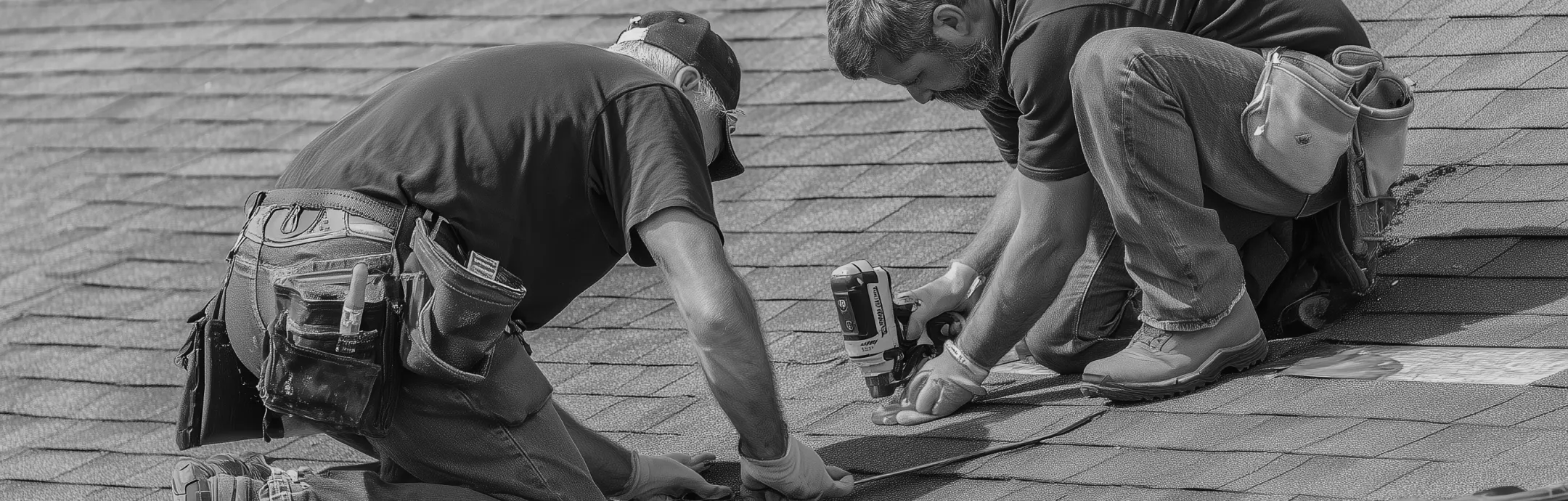

Need a Roof Inspection or Replacement? Contact Ever True Roofing Today!
At Ever True Roofing, we treat your project like it protects our own homes, and we stand behind the work long after the crew trucks pull away. Reach out for a free, no-pressure estimate, and let us walk you through clear options that fit your roof and budget.
Call (512) 359-3124 or visit our website to get started. We welcome your questions and will work hard for results that last, with straightforward communication from start to finish.