


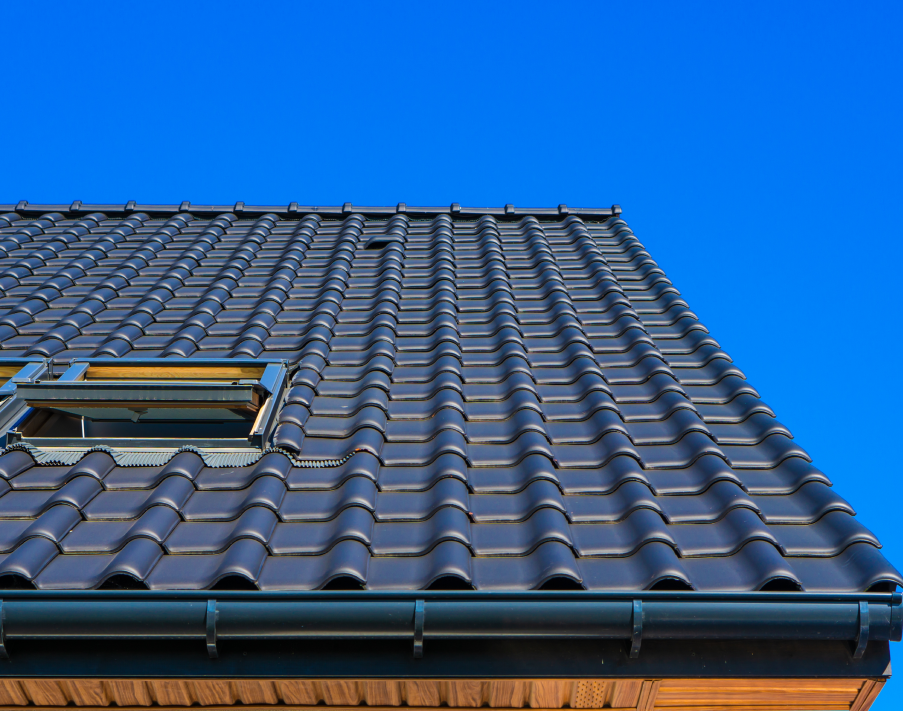
Texas heat has a way of testing any roof, and metal keeps showing up as a smart choice for homes across the state. At Ever True Roofing in Austin, we build roofs that match our weather, and we treat your home with the care we would want for our own. If you are weighing a change from shingles, this guide breaks down metal roofing types, costs, and real-world benefits for Texas living.
You will find plain talk on what works, what to expect on price, and how to pick a system that fits your budget and style. Let’s get into it with simple terms and clear steps you can use right away.
What is Metal Roofing?
Metal roofing uses panels or shingles made from steel, aluminum, copper, or zinc, and it is built for long service. Compared to asphalt shingles, metal stands up to heat cycles, hail, and wind with far less wear. Many metal products are made with recycled content and can be recycled again at the end of their life.
That mix of longevity and sustainability is a big reason you see more metal across Texas neighborhoods. It is not only tough, it also looks clean and stays that way with minimal fuss.
Benefits of Metal Roofing for Texas Homes
Our climate brings triple-digit summers, pop-up hail, and gusty storms. Metal roofing handles all three with solid performance and fewer headaches over time.
- Reflects sunlight to cut attic temps and reduce AC use in summer.
- Resists hail damage better than many shingle systems, especially thicker gauges.
- Delivers high fire ratings for extra peace of mind.
- Needs less frequent repairs and fewer replacements of worn parts.
- Boosts curb appeal, which can help resale in hot housing markets.
Those gains show up fast in Texas weather, and they keep paying off year after year.
Durability and Longevity
Metal stands firm against extreme heat, hail bursts, and high winds that race across the Hill Country and beyond. With proper installation, many systems reach 40 to 70 years, far beyond the life you get from basic asphalt shingles. That longer cycle means fewer roof replacements across your home’s lifespan.
Energy Efficiency
Reflective coatings bounce solar heat, which helps your AC breathe a little easier. Depending on roof color, ventilation, and insulation, some homeowners report cooling savings up to 40 percent. On hot August afternoons, that difference is not small.
Fire Resistance
Metal roofing offers a strong fire profile, with many systems carrying a Class A rating when paired with the right underlayment. That extra layer of protection matters during dry spells and wildfire alerts.
Low Maintenance
Routine upkeep is simple, like clearing debris from valleys and checking fasteners at service visits. Panels do not crack or curl in the sun, and coatings help resist corrosion. Fewer repairs means more weekends free.
Increased Home Value
Buyers notice a metal roof, and appraisers do too. The blend of looks, long life, and energy savings can raise resale value compared to a standard shingle setup.
Types of Metal Roofing
Texas homes use three common systems, each with a different profile and price point. Picking the right one often comes down to budget, style goals, and how your roof is framed.
Standing Seam Metal Roofing
Standing seam features vertical ribs with raised seams that lock together, giving a sleek, modern look. The fasteners are concealed, which helps keep water out and limits points that could loosen over time. Homeowners like the clean lines on both farmhouse and contemporary designs.
Corrugated Metal Roofing
Corrugated panels have a wavy pattern that adds strength at a friendly price. They install quickly, and that pattern sheds water well during hard rains. Many ranch homes and barndominiums use corrugated for a tough, practical finish.
Metal Shingles and Tiles
Metal shingles and tiles copy the look of slate, wood shake, or traditional shingles while delivering metal performance. They work well in neighborhoods with strict design rules, matching the classic style while adding long life and lower upkeep.
Common Metal Roofing Materials
Each metal brings its own balance of price, weight, and longevity. Here is a quick snapshot you can use while planning your project.
Metal Roofing Materials at a Glance
| Material | Typical Cost per sq ft | Weight | Average Lifespan | Notes |
| Steel | $5 to $12 | Medium | 40 to 60 years | Often coated with galvanized or Galvalume finishes for rust protection. |
| Aluminum | $6 to $14 | Light | 40 to 60 years | Excellent corrosion resistance, a strong pick for coastal zones. |
| Copper | $15 to $30+ | Medium | 60 to 100+ years | Premium look that develops a patina, very long service life. |
| Zinc | $12 to $20 | Medium | 60 to 100+ years | Self-healing surface scratches and strong sustainability profile. |
Prices shift with market supply and panel profile, and thicker gauges raise both strength and cost. Your roof pitch and layout can also nudge costs up or down.
Steel Roofing
Steel gives you strength at a friendly price point, which is why it is so common in Texas. Protective layers like galvanized or Galvalume coatings shield the steel base from rust. Pair that with a quality paint system for color that holds up under UV.
Aluminum Roofing
Aluminum is light and resists corrosion, even in salty air. While Austin is inland, some Central Texas homes around lakes still like that extra margin. Panels are easy to handle, which can speed up installs on complex roofs.
Copper Roofing
Copper brings a warm tone that gradually shifts to a greenish patina. It costs more, yet the lifespan is remarkable, and many owners love the way it ages. Historic and high-design homes use copper for both function and style.
Zinc Roofing
Zinc forms a protective layer that can close up small scratches over time, which helps it look fresh longer. It is a premium choice with a very long life and a strong recycling story. Many architects pick zinc for custom projects where longevity and finish really matter.
Metal Roofing Cost in Texas
Project price comes from a mix of material, roof size, layout, and labor. The numbers below help set a ballpark, though we always build a custom bid after a site visit.
Material Costs
Common steel panels start around $5 to $12 per square foot. Aluminum often lands in the $6 to $14 range, while copper and zinc can reach $12 to $30 or more. The material you choose drives the largest swing in your final invoice.
Roof Size and Complexity
Bigger roofs cost more, and steep slopes or lots of hips and valleys add time. Skylights, chimneys, and dormers each introduce flashing steps that raise labor. Simple layouts run faster, which trims cost.
Labor and Installation Costs
Labor can reach up to two-thirds of the project total, especially on complex roofs. Skilled crews measure twice, flash carefully, and fasten correctly, which protects your warranty and your home. Faster is not always cheaper if it leads to leaks later.
Removal of Existing Roof
Tear off and disposal usually add $1 to $3 per square foot. Heavier old roofs, multiple layers, or tricky access can nudge that number higher. Clean decking makes the new system last longer, so this step matters.
Long-Term Value
Even with a higher upfront price, metal often wins on lifetime cost. You get fewer replacements, fewer repair calls, and meaningful cooling savings in summer. For many Texas homes, that math pencils out very well over time.
To keep planning simple, here are quick cost drivers to think through before you call:
- Material and panel profile, standing seam usually costs more than corrugated.
- Roof pitch and layout, steep or complex shapes add hours.
- Underlayment type and ventilation upgrades, both affect performance and budget.
- Old roof tear off, hauling, and decking repairs if any.
A short site visit helps us confirm these items and provide a clear, written number you can trust.
Metal Roof Installation Process
A smooth install follows a steady sequence. Here is how we handle projects across the Austin area from start to finish.
Inspection and Measurement
We review your attic, decking, and current flashing, then take detailed measurements. Accurate takeoffs help control waste and confirm the right panel lengths.
Material Selection and Preparation
Together we lock down the metal type, panel style, color, and trim package. We order panels and accessories to match your roof’s dimensions and schedule delivery to line up with tear off.
Roof Removal and Underlayment Installation
Our crew removes old layers, checks decking, and replaces any damaged boards. Then we install a high-temp underlayment and ice and water shield at valleys and penetrations for added protection.
Panel or Shingle Installation
Panels or shingles are set in straight, fastened to spec, and flashed at all critical joints. Ridge vents, pipe boots, and edges get special attention for long-term water control.
Final Inspection and Cleanup
We perform a thorough walkthrough, seal any small gaps, and magnet-sweep the area for nails. You get photos and a summary of what was done, so nothing is fuzzy.
Choosing the Right Metal Roof for Your Texas Home
Your best pick balances cost, looks, and performance. A few quick checks can help you land on the right combo.
Budget Considerations
Think long-term value instead of only chasing the lowest first price. A roof that lasts decades can outpace a cheaper install that needs early replacement.
Style and Curb Appeal
Standing seam reads modern, corrugated feels rugged, and metal shingles can look classic. Pick a color that works with your brick, siding, and trim for a cohesive look.
Climate Compatibility
Texas heat, hail, and wind call for strong coatings, solid gauges, and proper ventilation. Moisture control at valleys and walls is a must in heavy rain months.
Selecting a Roofing Contractor
Choose a roofer with real metal experience, clear communication, and strong references. Ask for photos, specs, and warranty details before any work starts.
Use this short checklist while you compare bids from different crews:
- Written scope that names panel gauge, coating type, and underlayment brand.
- Photos of at least three recent metal installs in your area.
- Warranty terms for both materials and workmanship in plain language.
- Daily cleanup plan and contact person on site.
Small details like these keep projects smooth and keep surprises off your porch.
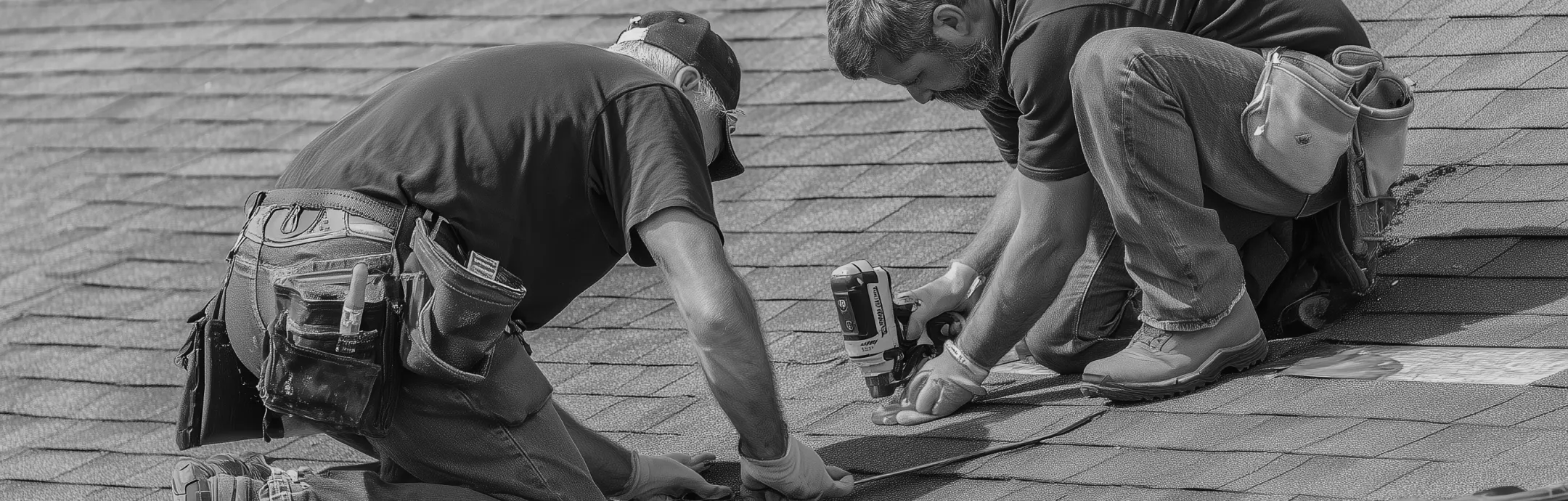

Considering a Metal Roof? Contact Ever True Roofing Today!
At Ever True Roofing, we treat your roof like it protects our own family, with clear planning and careful work at every step. If you want straight answers and a free, no-pressure estimate, call (512) 359-3124 or visit our website. We welcome your questions, and we are happy to walk your roof, share photos, and build a plan that fits your home and your budget.