


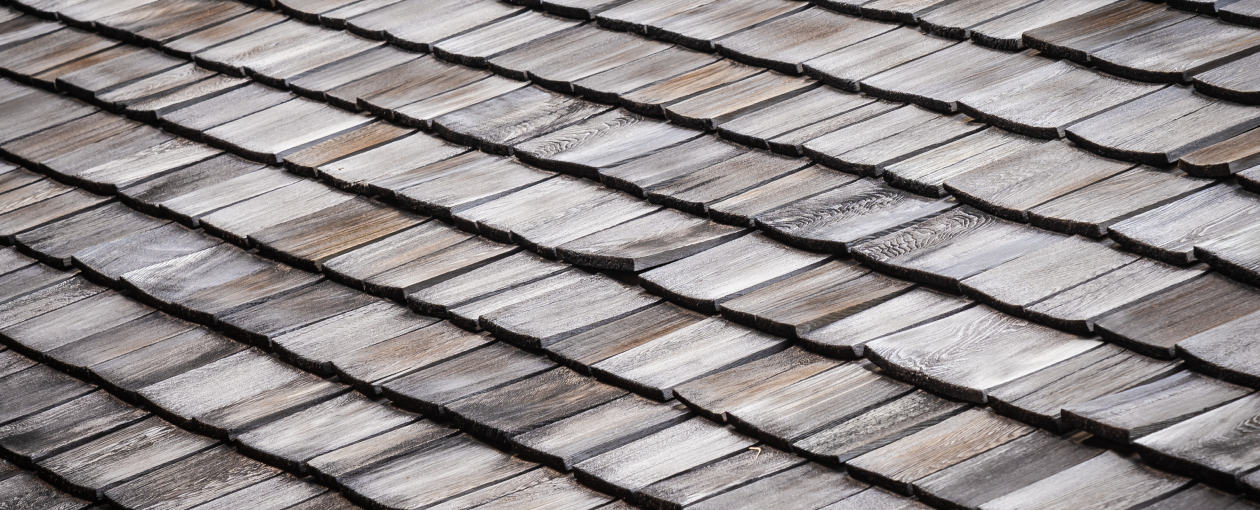
Ever touch a dark shingle in August and yank your hand back? Austin sun can turn a roof into a skillet, then storm season rolls in with hail and ripping gusts. Pick the wrong material and it cooks fast, fades early, and leaks when you need it most.
At Ever True Roofing, we take that personally. We are an Austin roofing company that cares about materials, workmanship, and the people under the roof. This guide walks you through the best roofing choices for Texas heat, so your home stays cooler and protected.
Why Roofing Material Matters in Austin
Our climate puts a roof through months of punishing UV, then pops off with violent storms. Add hail, tree debris, and rapid temperature swings, and you get a recipe for wear that weaker systems cannot handle. A strong material paired with smart installation holds up far better.
Here is what Austin roofs face in an average year:
- Intense sun that dries out oils in shingles and beats up sealants.
- Seasonal downpours that test seams, flashings, and gutters.
- Hail and high winds that loosen fasteners and bruise surfaces.
Choose well and you stretch roof life, cut repair calls, and lower cooling bills. You also lock in better resale value, since buyers notice a tidy roof and lower energy use. That is money saved now and later.
Top Roofing Materials for Texas Heat
Austin homeowners have several good paths for heat, storms, and style. The best pick comes down to budget, lifespan goals, and how much maintenance you want to handle.
Metal Roofing (Standing Seam)
Standing seam panels grip tightly and shrug off wind, heavy rain, and hail better than many systems. Seams are raised above the water line, which reduces leaks at panel joints. With proper fastening, this roof sits tight in gusty conditions.
Metal reflects a lot of solar energy, which helps keep attic temps in check. That can mean cooler rooms and smaller AC cycles in summer. Reflective metal roofs can also qualify for federal energy-efficiency tax credits, which is a nice bonus.
You can pick from modern colors and profiles that match ranch, contemporary, or farmhouse looks. Finish coatings resist fading and chalking, and maintenance is pretty simple. For many Austin homes, this is a strong blend of performance and curb appeal.
Asphalt Shingles (Architectural/Dimensional)
Architectural shingles remain popular for affordability and wide style choices. They are thicker than basic 3-tab shingles, which gives better wind performance and a more dimensional look. Installation is familiar, and repairs are usually straightforward.
Many lines carry Class 3 or Class 4 impact ratings for hail. Insurance carriers in Texas often offer premium discounts for homes with Class 4 shingles. Heat will age any shingle faster without good attic ventilation, so airflow matters a lot here.
To compare common choices at a glance, use the quick chart below. It focuses on heat, weight, longevity, costs, and storm behavior in Central Texas.
| Austin Heat Roofing Comparison | |||||
| Material | Heat Behavior | Approx. Lifespan | Weight | Storm Resistance | Typical Cost Range |
| Standing Seam Metal | High reflectivity, cools quickly | 40 to 60 years | Light to moderate | Very good with proper fastening | Mid to high |
| Architectural Asphalt | Warms up fast, needs ventilation | 20 to 30 years | Light | Good, better with Class 3 or 4 | Low to mid |
| Clay or Concrete Tile | Slower heat transfer, good in sun | 50 to 75 years | Heavy | Strong in heat and fire, check wind rating | High |
| Synthetic Slate or Shake | Engineered UV resistance | 40 to 50 years | Light to moderate | Good impact ratings on many products | Mid to high |
| Natural Slate | High thermal mass, sheds heat well | 75+ years | Very heavy | Excellent with skilled installation | Very high |
Numbers vary by brand and install method, so use this as a starting point. A site visit gives the clearest picture for your roof pitch, framing, and shade.
Clay and Concrete Tile Roofing
Tile brings a timeless, upscale look with very long service life. It resists fire, rot, and insects, which is a strong fit for hot, dry summers. The curved profiles also shed water well during sudden downpours.
Tile roofs slow heat transfer into the attic, which can help stabilize indoor temperatures. Note the weight though, many homes need a framing review before install. If your structure is ready, the lasting curb appeal is hard to beat.
Synthetic Roofing Materials
These products mimic slate, wood shake, or even tile without the heavy load. That lower weight reduces stress on rafters and makes installs easier on complex roofs. Colors and textures look convincing from the street.
Modern composites are made to resist impact, moisture, and harsh UV. Many brands carry high wind and hail ratings. Maintenance stays light, which is great for busy homeowners.
Slate Roofs
Natural slate is chosen for a refined look and strong cooling behavior in the Texas sun. The stone has high thermal mass that takes in heat slowly, then releases it well after sunset. Lighter shades bounce more sun and stay cooler at peak hours.
A slate roof can last for decades, sometimes far longer with care. It ranks among the pricier options and needs a contractor with proven slate installs. Framing support and underlayment selection matter a lot here.
Green Roofing
A green roof, also called a living roof, supports vegetation above a waterproof layer. Crews first lay down a membrane, then a growing medium, then plants suited for the site. Flat or low-slope roofs make this approach more practical.
Plants cool the roof surface and the air right above it, which lowers heat gain inside. Homes near urban hot spots notice the difference on summer afternoons. This system requires planning for drainage and load, but the comfort and look can be worth it.
The Role of Ventilation and Installation Quality
No matter what you choose, performance comes down to the install. Correct fasteners, straight lines, and clean flashing details separate a tough roof from a leaky one. Shortcuts cost more later, plain and simple.
Poor ventilation bakes the attic, speeds shingle wear, traps moisture, and spikes AC costs. Ridge vents paired with balanced intake at the eaves usually fix that cycle. In Central Texas, high-temperature-rated synthetic underlayment outlasts traditional felt under sustained heat.
FEMA reports that improper installation and weak fastening are leading causes of roof failure in high wind events. That tracks with what we see after storms in Austin. A careful install keeps those panels and shingles right where they belong.
Here are the main install factors that raise roof performance in Austin:
- Balanced attic ventilation suited to your roof size and layout.
- High-quality underlayment rated for hot climates.
- Correct flashing at chimneys, skylights, and pipe penetrations.
- Wind-rated fastening patterns that match manufacturer specs.
We review each of these on every project, then document what we did for your records. That way you know how the roof was built and why it holds up.
How to Choose the Right Roofing Material for Your Austin Home
Start with your top goal, then line it up with a product that hits that target. Your roof shape, shade, budget, and HOA rules all matter, but this quick guide helps set direction.
- Lowest upfront cost: Architectural asphalt shingles.
- Longest lifespan and energy savings: Standing seam metal or tile roofing.
- Hail resistance with curb appeal: Class 4 shingles or synthetic roofing.
If your roof is past its mid-20s or took a beating in a recent storm, book a professional evaluation. A thorough check looks at shingles or panels, plus decking, ventilation, and flashing. We can price repairs and replacements side by side, then help you pick a path that fits your home.
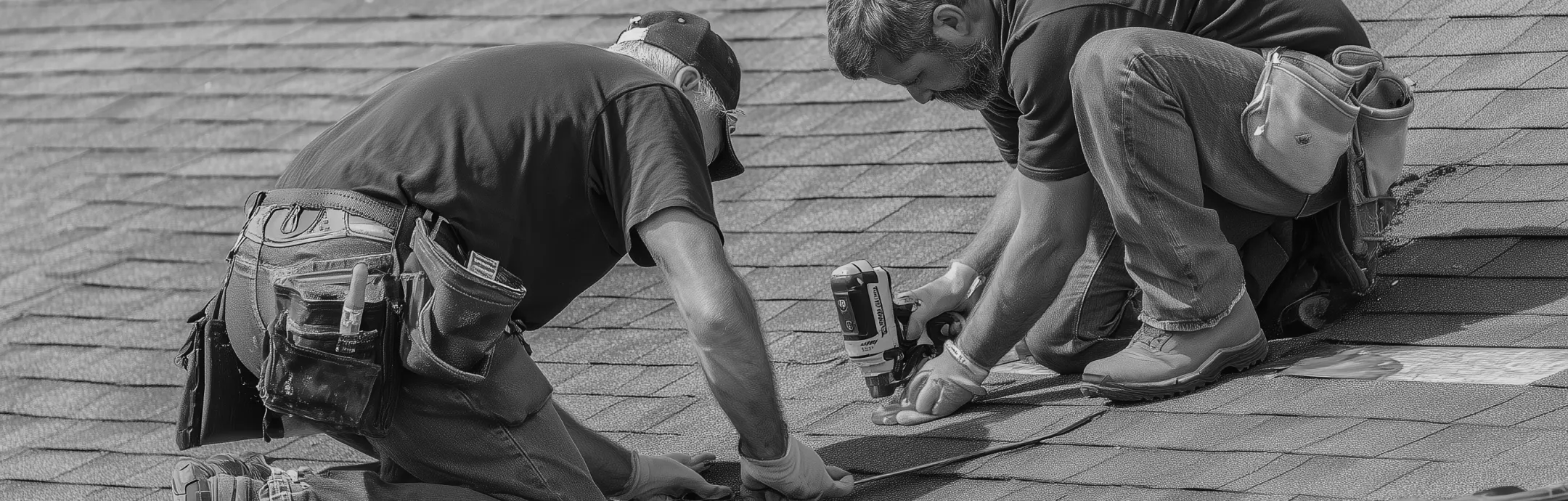

Ensure Your Home is Protected: Contact Ever True Roofing Today
Your roof guards everything you care about, so it deserves the right plan and the right crew. If you want clear advice and straight pricing, we are ready to help. Feel free to call us at (512) 359-3124 or visit our website to get started.
We welcome your questions and never push a one-size pick. Our team focuses on materials that beat Texas heat and installs that stand up when storms roll through. A quick conversation can save you from bigger headaches later, and help your home stay cool, dry, and comfortable.