



Hail bursts, scorching summers, and surprise wind events, Austin roofs take a beating year after year. If your shingles are curling or leaks keep showing up after storms, a full replacement might be knocking. At Ever True Roofing, we put homeowners first, with clear bids, clean jobsites, and workmanship that holds up long after we leave.
This guide lays out what a roof replacement costs in Austin in 2026, why prices vary, and how to plan a project that makes sense for your home. No fluff, just straight answers you can use.
2026 Roof Replacement Cost Overview in Austin
Austin roof replacement prices tend to sit higher than many Texas cities, driven by steady demand and a hot construction market. For a typical 2,000 square foot home, total project costs usually land between $14,500 and $36,000, depending on roof size, pitch, materials, access, and design features. Larger footprints, multiple valleys, and heavy materials push the number higher.
Labor is a big slice of the bill, often 45 to 60 percent, and Austin’s tight labor pool adds pressure. Material costs rose again in 2026, and suppliers added delivery surcharges in parts of the metro.
Permits normally add $150 to $450, with simple projects clearing faster than complex ones. Knowing how size, labor, and materials move your bid helps you compare quotes and pick the right system for your home.
Material-Specific Cost Breakdown for 2026
Material choice drives both upfront price and how your roof holds up to Austin’s heat, hail, and wind. Here is how common systems stack up this year.
Asphalt Shingles
Installed pricing in 2026 runs about $3.75 to $5.50 per sq. ft. for basic 3-tab, $4.50 to $7.50 for architectural, and $6.50 to $9.50 for premium designer lines. Three-tab keeps costs low, though wind and hail durability trails other options. Architectural shingles boost curb appeal and performance without a huge jump, while designer shingles add thicker profiles and longer limited warranties.
Typical lifespans with normal upkeep: 3-tab around 15 to 18 years. Architectural about 20 to 28 years. Premium designer 25 to 30 years, sometimes more with great ventilation and fast repairs after storms.
Shingle systems remain popular across Austin neighborhoods, especially where HOA rules favor traditional looks. They pair well with balanced attic ventilation and modern underlayments that resist heat and wind-driven rain.
Metal Roofing
Metal keeps climbing in popularity thanks to long service life and strong wind performance. Installed costs for steel standing seam often fall between $10 and $16 per sq. ft., aluminum standing seam around $12 to $18, and metal shingles roughly $8 to $13.
Steel standing seam delivers outstanding wind hold and clean lines, great for hail-prone blocks. Aluminum stands up to corrosion, a smart pick near water features or homes with coastal-style design, and metal shingles offer a traditional look with improved fire and wind resistance.
With proper underlayment and ventilation, metal roofing often lasts 40 to 60 years or longer. That long timeline helps offset the higher upfront bill.
Some Austin HOAs now accept standing seam because of its neat profile and energy benefits. Lighter colors can reduce attic temps, which helps HVAC equipment and comfort.
Tile & Premium Roofing Materials
Premium systems deliver standout looks and longevity, yet the weight and install complexity drive costs. Concrete tile usually runs $9 to $15 per sq. ft. installed, clay tile about $12 to $20, and synthetic composites around $8 to $14.
Concrete tile brings texture and solid hail tolerance, clay tile offers classic style with great color stability, and synthetics mimic slate or shake without heavyweight load. Each brings strong fire resistance and long service life when installed to spec.
Some homes need structural checks or reinforcement before going tile, which adds time and budget. Your contractor should confirm framing capacity before you sign.
Material Cost Comparison Table
The table below summarizes installed pricing, a typical total for a 2,000 sq. ft. home, lifespan, and best uses in Austin’s climate.
| 2026 Austin Roof Material Comparison | ||||
| Material | Installed Cost per sq. ft. | Typical Total Cost | Typical Lifespan | Best Use Case |
| 3-Tab Asphalt Shingles | $3.75 to $5.50 | $10,000 to $14,000 | 15 to 18 years | Budget-focused projects, rental properties |
| Architectural Shingles | $4.50 to $7.50 | $12,500 to $20,000 | 20 to 28 years | Most Austin homes, value and look balanced |
| Premium Designer Shingles | $6.50 to $9.50 | $18,000 to $26,000 | 25 to 30 years | High curb appeal, heavier profiles |
| Steel Standing Seam Metal | $10 to $16 | $25,000 to $40,000 | 40 to 60 years | Hail and wind zones, long-term hold |
| Aluminum Standing Seam Metal | $12 to $18 | $30,000 to $45,000 | 40 to 60 years | Corrosion resistance, near water features |
| Metal Shingles | $8 to $13 | $20,000 to $33,000 | 35 to 50 years | Traditional look with better wind hold |
| Concrete Tile | $9 to $15 | $22,000 to $37,000 | 40 to 60 years | Textured look, strong fire rating |
| Clay Tile | $12 to $20 | $30,000 to $50,000 | 50+ years | Classic style, premium neighborhoods |
| Synthetic Roofing | $8 to $14 | $20,000 to $35,000 | 30 to 50 years | Slate or shake look without heavy weight |
Totals vary with roof area. Many 2,000 sq. ft. homes in Austin have roof surfaces closer to 2,300 to 3,000 sq. ft., which explains the ranges above.
Regional Cost Variations in 2026: How Austin Compares
Local bids reflect Austin’s tight labor market and storm patterns that stack up backlogs. City prices usually run higher than the statewide average, pushed by rapid growth and a thinner pool of seasoned crews.
San Antonio often runs 5 to 10 percent lower for similar work. Hill Country homes can swing higher because of access, terrain, and specialty designs, and coastal jobs push wind ratings that add cost.
Key Factors Driving 2026 Roof Replacement Costs in Austin, Texas
Three forces keep pricing elevated here, labor shortages, material inflation, and complex roof designs common in newer builds. Understanding those helps you time the work and pick a system that fits your goals.
Labor Market Conditions
Securing seasoned installers can be tricky after hail runs or big wind events. Insurance jobs create longer wait times, and overtime rates creep in when schedules compress.
Backlogs also affect material deliveries and dumpsters, which stretches project calendars a bit. Planning early gets you better dates and steadier pricing.
Material Price Inflation
Suppliers pushed another round of increases and fuel surcharges across the metro. Here is what Austin homeowners are seeing in 2026.
- Asphalt shingles, up roughly 6 to 9 percent from late 2025.
- Metal roofing, up about 8 to 12 percent depending on gauge and color.
- Underlayment, vents, and flashings, often 7 to 10 percent higher.
- Delivery fees, commonly $75 to $200 per drop in town limits.
Exact numbers vary by brand, color, and order size, but the trend is pretty steady across suppliers.
Roof Complexity and Home Features
More cuts, valleys, and dormers mean more labor and accessories. Steep slopes typically add 10 to 25 percent for safety and extra time, and multi-story access can add staging costs.
Skylights or chimneys often add $250 to $750 each for flashing work. Two-layer tear-offs add about $1.00 to $2.00 per sq. ft., and deck repairs usually land around $3.00 to $6.00 per sq. ft. replaced.
Cost-Saving Strategies for Your 2026 Roof Replacement in Austin
You can trim costs without cutting corners if you plan a bit and watch timing. Here are moves that help in Austin right now.
- Choose the right time of year, January to March and October to November often bring friendlier schedules and pricing.
- Bundle exterior projects, combine gutters, minor siding fixes, or painting for package discounts.
- Watch for manufacturer promos, February and August often include shingle rebates or accessory discounts.
- Get multiple written estimates, compare scopes, underlayments, venting plans, and warranty terms side by side.
- Use modern financing, short-term 0 percent promos or a home equity line can smooth cash flow.
- Extend your current roof, quick leak repairs, tune-ups, and attic airflow checks can buy a season or two.
Ask bidders to price optional upgrades as add-ons. That way you can pick the items that deliver the most value right now.
Repair vs. Replacement Decision Making in 2026
Choosing repair or full replacement comes down to damage level, roof age, and day-to-day performance. We look at leak history, granule loss, soft decking, and your long-term plans for the home.
When Repairs Make Sense
Small, isolated issues like a few missing shingles, minor flashing failures, or one skylight leak often pencil out as repairs. Quick action can stop bigger problems before they spread.
When Replacement Is the Better Investment
A common rule of thumb, if repairs run past 30 to 40 percent of a full replacement, new roofing usually makes more sense. Roofs near end-of-life, think 15 to 20 years for many asphalt systems here, should be evaluated closely.
After widespread hail, insurance adjusters sometimes recommend full replacement where hits are dense across slopes. That call helps protect future claim rights and consistent appearance.
Energy Efficiency Benefits
New shingles with higher reflectivity, balanced intake and exhaust vents, and cooler underlayments can drop attic temps. That can reduce cooling loads and help HVAC equipment last longer.
Texas Building Codes and Austin Permit Requirements for 2026
Code rules shape material choices and installation steps in Austin, especially for wind, hail, fire resistance, and attic airflow. Those details add durability and help roofs pass inspection the first time.
Wind & Impact Requirements
Most Austin neighborhoods call for roofing systems rated in the 110 to 130 mph range, with nailed patterns that match manufacturer specs. Impact-rated shingles and accessories are common in hail-prone areas, giving better long-term performance.
Fire Ratings in Wildfire Zones
Homes near wildland areas in West Austin often require Class A fire-rated materials. Metal, tile, and many asphalt systems qualify when installed with approved underlayments.
Permits & Inspections
Typical Austin roofing permits run about $150 to $450, and simple jobs often get cleared in 1 to 3 business days. Larger or complex scopes can take 5 to 10 days, especially right after storms.
Inspections usually include a final check for flashing, vents, and penetrations, and deck inspections if sheathing was replaced. Clean documentation speeds this up and keeps the project moving.
Ventilation Upgrades
Modern codes push better attic airflow, commonly using a 1 to 150 or 1 to 300 intake to exhaust ratio when balanced. Upgraded ventilation adds a bit of cost, yet it improves shingle life and comfort inside the home.
Selecting the Right Roofing Contractor in 2026
Picking the right crew matters for both cost control and quality. Look for clear communication and a written scope that answers your questions up front.
- Start with credentials, Texas does not issue a statewide roofing license, so confirm Austin registration, tax ID, and code knowledge.
- Verify insurance, ask for active liability and workers’ comp certificates sent from the agent.
- Check reviews and references, focus on projects completed in the last 12 to 18 months.
- Manufacturer ties, contractors who install to higher standards can offer upgraded warranty options.
- Written contract, materials, color, ventilation plan, timeline, payment schedule, and warranty terms spelled out.
At Ever True Roofing, we walk you through materials, venting, and flashing details before work begins. Communication makes the job smoother and keeps surprises off your plate.
Insurance and Financing Considerations for 2026
Storm claims can cover full replacement when damage is widespread, though carriers tightened documentation rules. Code upgrade coverage has more value now, especially with ventilation and underlayment changes.
Accurate photos, slope maps, and manufacturer data help adjusters confirm scope. For payment plans, homeowners often use short-term promotional financing or a home equity loan to keep cash free for other priorities.
Frequently Asked Questions
How long does a roof replacement take in Austin?
Most single-family homes finish in 1 to 3 days, complex or steep roofs can run a bit longer.
What’s the best time of year to replace a roof in Austin?
Cooler months like January to March and fall windows often bring smoother schedules and friendlier pricing.
Do Austin homes require special roofing materials?
Many benefit from impact-rated shingles or metal and better underlayments that handle heat and driven rain.
How do I know if my Austin roof needs repairs or a full replacement?
Repeated leaks, widespread granule loss, soft decking, or 15 plus years of age point toward replacement.
Will a new roof increase my home’s value in Austin?
Yes, buyers look for newer roofs, and appraisers often reflect that in market value.
Why does hail damage raise roof replacement costs so much in Austin?
Storms spike labor demand, stretch schedules, and drive material surcharges from suppliers.
Are impact-rated shingles worth the extra cost in Austin?
Often yes, better hail resistance cuts repair calls and helps roofs last longer.
Why do West Austin homes tend to have higher roof replacement prices?
Steeper lots, complex designs, and wildfire zone requirements increase scope and time.
How much do steep roof pitches increase costs in Austin?
Steep slopes usually add 10 to 25 percent for safety gear and slower install speeds.
Does Austin’s heat affect roof lifespan and replacement timing?
High heat and UV speed up aging, so ventilation and lighter colors help stretch life.
Why is ventilation such a big deal in Austin roof replacements?
Balanced airflow lowers attic temps, reduces moisture, and protects shingles from early aging.
Do metal roofs really save money in Austin over time?
The long lifespan and energy benefits can offset the higher upfront cost across decades.
How much does solar readiness add to a roof replacement?
Blocking and layout planning usually adds $500 to $2,500 depending on system size and attachments.
Why do some Austin roof quotes include higher tear-off costs?
Extra layers, brittle shingles, or tight access lift labor time and dumpster needs.
Are older Austin homes more expensive to reroof?
Often yes, due to decking repairs, odd framing, or bringing vents and flashings up to current code.
Does choosing a lighter-colored roof really help with energy bills?
Lighter colors and reflective shingles can cut attic temps and reduce cooling loads.
Why do Austin roofing prices change so quickly year to year?
Material hikes, labor shortages, and storm cycles shift the market faster than many trades.
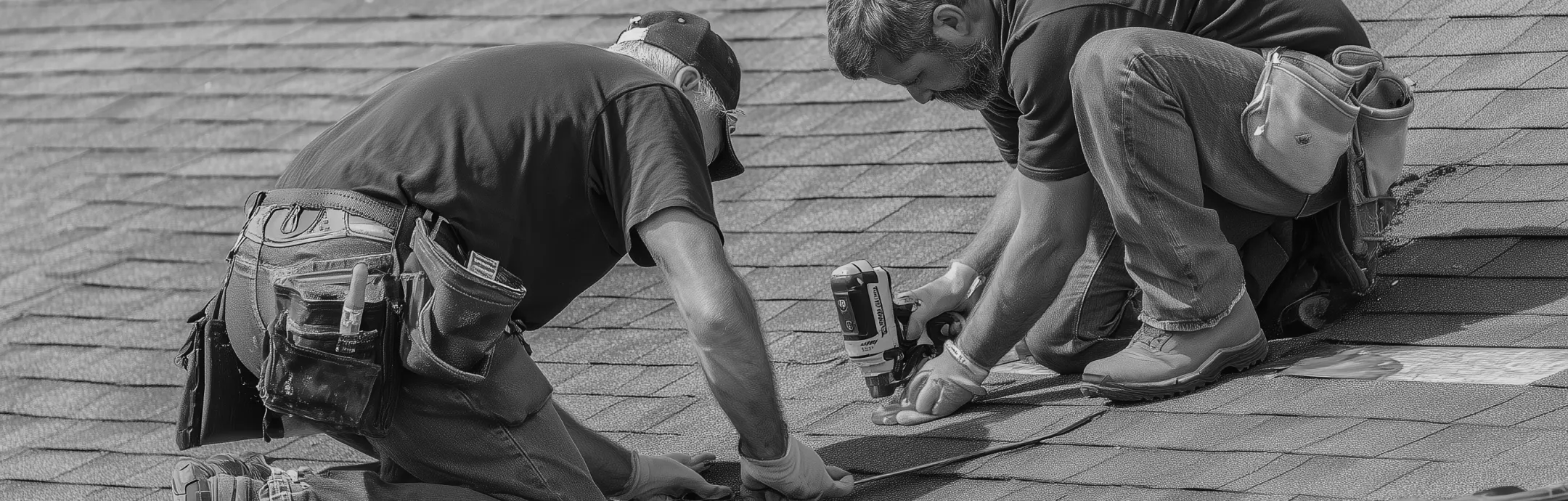

Do you need a dependable roof replacement? Contact Ever True Roofing!
Do not let a worn or storm-hit roof keep you guessing every time clouds roll in. We provide clear pricing, careful installation, and steady communication from first call to final inspection. Reach out to Ever True Roofing at tel:+15123593124 or visit our website to schedule a free, no-pressure estimate.
Questions about materials, timing, or insurance paperwork, we are happy to help. Call today, and let’s protect your home with a roof built for Austin weather.